What screens actually compete with
We talk a lot about screen time affecting homework and sleep. Those things are real. But the bigger problem is simpler: screens compete with family time. Not big, planned family time — the ordinary, unplanned kind. The conversations that start without a reason. The Sunday afternoon that turns into something.
In Indian homes
In many Indian homes, everyone is physically present but each person is in their own screen world. Parents are on WhatsApp family groups or catching up on cricket scores. Teens are on Instagram Reels or gaming online. You are all on the same divan and barely there for each other. The filter coffee goes cold because no one is sitting down long enough to drink it.
The families who were most sceptical
When we suggested a screen-free Sunday, the most common worry was not about the teenagers. It was about the parents. Many adults admitted they were just as uncomfortable with the idea as their kids. One parent said: “I was honestly hoping my teen would refuse so I could cancel.”
The second worry was that the day would be tense — a long exercise in managing boredom. That turned out to be wrong in almost every family.
The first hour is the hardest
Every family said the same thing. The first 45 minutes to an hour was uncomfortable. Teens reached for their phones on habit — to check the time, to reply to a message that might be there, to do the mindless scroll that has become part of how we move through a day.
Parents felt it too. The urge to photograph something, check something, send a quick message. The absence felt strange. And then, slowly, it stopped feeling strange.
My daughter asked me about my childhood. She has never asked that before. I don't think we have ever just sat with nothing else to do.— Parent, Mumbai
What came after
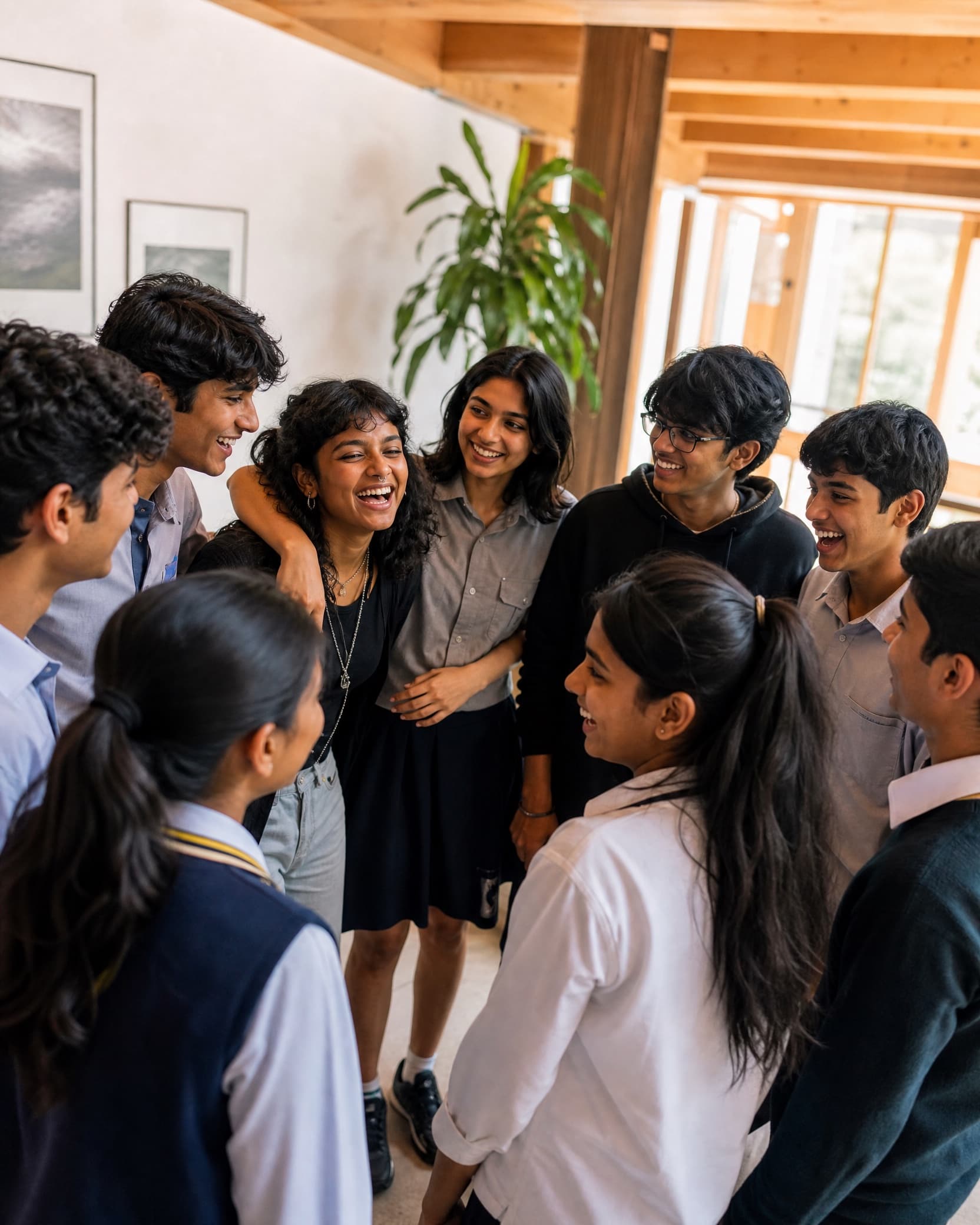
By the afternoon, something had shifted. Conversations started that no one planned. A teenager talked with a parent about something they had been thinking about for weeks. A family pulled out carrom that they had not touched in two years and stayed at the table longer than expected.
What families described was not the absence of screens. It was the presence of something else — slower, fuller time. The kind of Sunday that actually feels like a Sunday.
Your screen-free Sunday plan
A screen-free day where parents are on their laptops “for work” is just a rule that applies to teenagers. They will notice. The day only works if it is genuinely for everyone.
“Let's try one Sunday” gets much more buy-in than “we are doing this every week from now on.” Once the habit forms, it is easy to continue. Start with one.
The value is in unstructured time. A long list of activities to get through defeats the purpose. Let the day happen. The conversations come when there is nothing else competing for attention.
Expect restlessness. It peaks around 45 minutes and then fades. Tell your family this in advance: “The first hour might feel boring. That is normal. It gets better after that.”
What to do instead of screens
Cook a meal together. Play cards or carrom or a board game. Go for an evening walk around the colony. Read in the same room. Listen to old film songs your parents loved. Make chai together and just sit. You do not need an activity. You need each other's uninterrupted presence — that is what you have been missing.